
Burger King's AI headset listens for 'please' and 'thank you' from workers
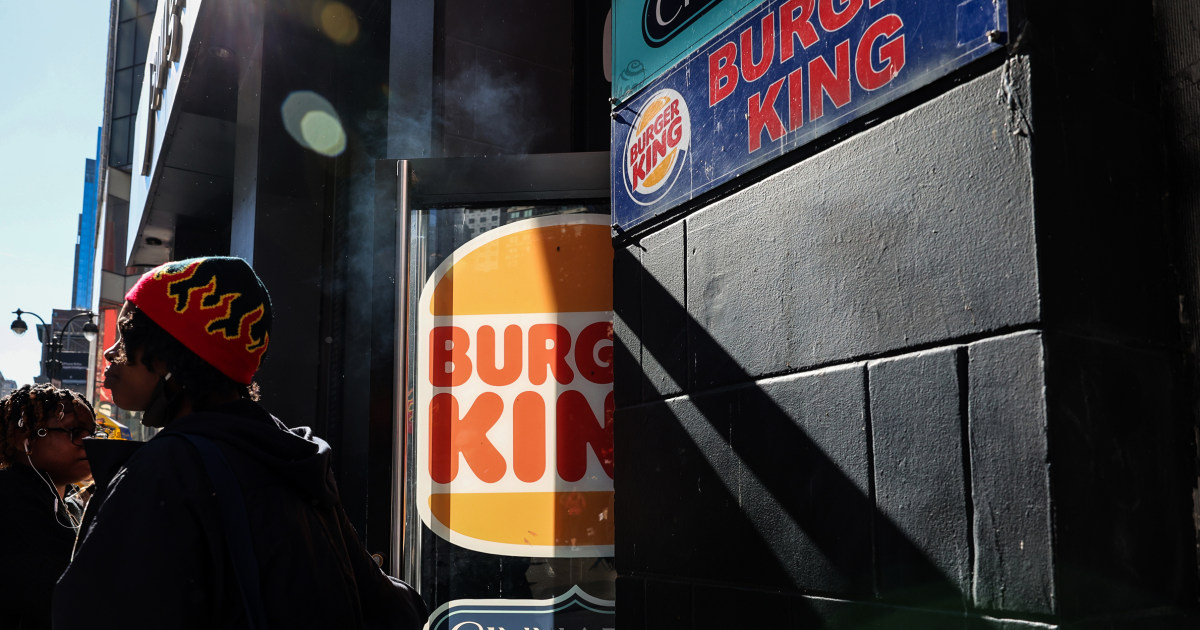
Burger King is rolling out an OpenAI-powered AI assistant called "Patty" that listens to employees during drive-thru shifts and tracks whether they use courtesy words like "welcome," "please," and "thank you." The system is live in 500 U.S. restaurants, with a full national rollout targeted by end of 2026. The company calls it a coaching tool; critics call it workplace surveillance — and Burger King's own statements don't quite agree with each other.
What Happened
Restaurant Brands International, the Miami-based parent company of Burger King, is piloting an OpenAI-powered AI assistant named "Patty" inside employee headsets at 500 U.S. restaurants. Patty listens to drive-thru interactions and, according to reporting from NBC News, Fortune, ABC News, and Fast Company, tracks whether employees say specific courtesy phrases — "welcome to Burger King," "please," and "thank you" — feeding that data to managers as a real-time signal of worker friendliness.
The system does more than monitor manners. Burger King describes it as a broader "BK Assistant" platform that can recite recipes, flag inventory shortages, update digital menus based on ingredient availability, and monitor kitchen equipment. Chief Digital Officer Thibault Roux called Patty "meant to be a coaching tool," telling ABC News: "It's not about scoring individuals or enforcing scripts. It's about reinforcing great hospitality and giving managers helpful, real-time insights so they can recognize their teams more effectively."
But there is a notable wrinkle: Burger King told The Register the system "is not designed to track nor evaluate employees saying specific words or phrases" — a statement that directly contradicts what the company's own executives told NBC News, ABC News, Fortune, and Fast Company. The company has not publicly reconciled the two positions.
Why It Matters
A fast-food worker's job has never been easy. Long shifts, high volume, difficult customers — and now, an AI system in their ear monitoring how politely they greet each car. For the tens of thousands of hourly workers who staff Burger King's drive-thrus, Patty represents something genuinely new: an employer using artificial intelligence to evaluate not just productivity, but tone.
The coaching-versus-surveillance debate is not merely semantic. Labor advocates and civil liberties researchers warn that data collected today for "recognition" can quietly become the basis for discipline tomorrow — especially without worker transparency about scoring criteria or any right to appeal a flagged interaction. As researchers cited by Prism News note, there is a deeper technical problem underneath: voice recognition systems have well-documented accuracy gaps for speakers who do not use standard American English. For a company whose workforce includes a significant proportion of immigrant workers, that is not a minor footnote. It means the system could systematically undercount courtesy from the workers who need fair treatment most.
Burger King is not the only fast-food chain experimenting with AI. McDonald's ended a high-profile AI ordering pilot with IBM in 2024 after the system fell short of its accuracy targets. Wendy's has been expanding Google's FreshAI chatbot to hundreds of locations. But those systems were aimed at customers — automating the ordering experience. Patty turns the AI's attention toward workers themselves, a meaningful line being crossed for the first time at this scale in the industry.
RBI Executive Chairman Patrick Doyle called the system a "game changer for the business." Whether that holds true will depend on who is changed, and how.
Sources
- T2NBC Newsnews
- T2Fortunenews
- T2Fast Companynews
- T2ABC Newsnews
- T2The Registernews
- T2Prism Newsnews
Stay informed. The best AI coverage, delivered weekly.